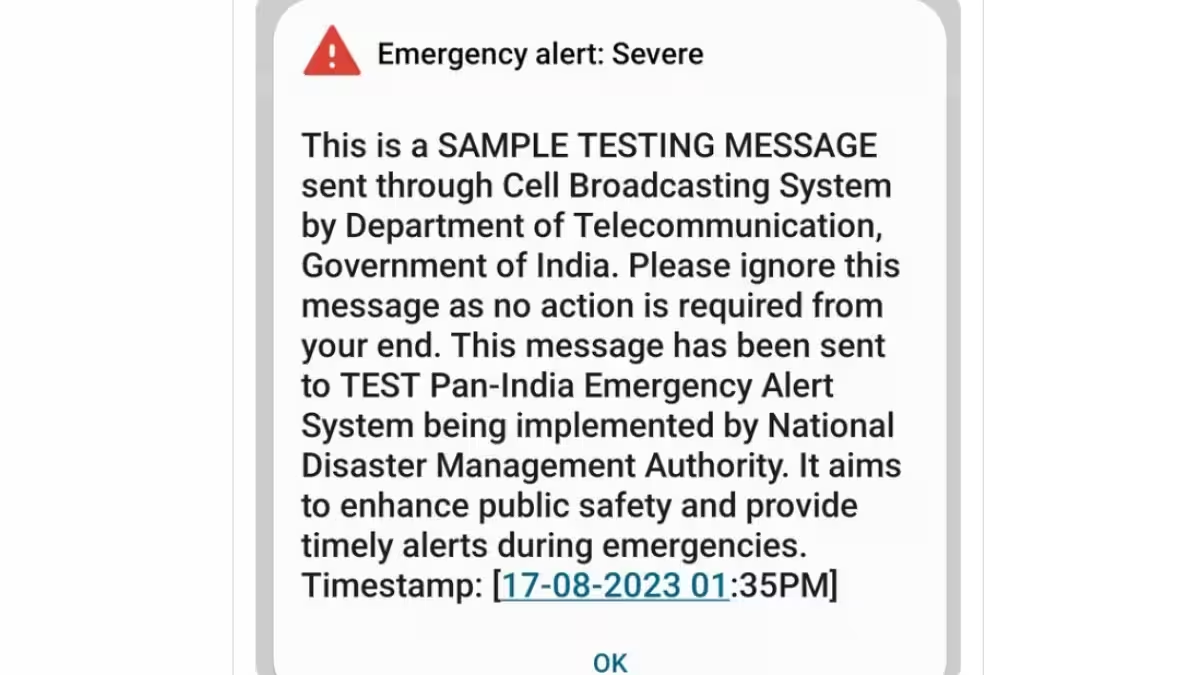
When it comes to emergency preparedness, staying informed is as crucial as having ample supplies and a foolproof plan. Government-issued emergency alerts serve as your lifeline to timely information and guidance during crises. Understanding these alerts can be the difference between safety and danger. Here’s a guide to help you navigate and decode these alerts better.
What Are Government Emergency Alerts?
Government emergency alerts are official notifications dispatched by relevant authorities to inform the public about various emergencies, like natural disasters, terrorism, pandemics, or other critical incidents. These alerts aim to ensure public safety by providing real-time updates and instructions.
Types of Emergency Alerts
- Wireless Emergency Alerts (WEA): Sent to your mobile device, WEA provides short, text-like messages about imminent threats or national emergencies. These alerts are free and location-specific, allowing for segmented reach based on your region.
- Emergency Alert System (EAS): EAS is a national public warning system that disseminates crucial information via radio, television, and satellite channels. It’s designed to deliver presidential alerts within 10 minutes throughout the country.
- NOAA Weather Radio All Hazards (NWR): This offers continuous summaries of weather updates and environmental emergencies, broadcasting critical warnings through a network of radio stations operated 24/7.
Understanding the Alerts
– Imminent Threat Alerts: Provide warnings about severe threats like natural disasters or hazardous events that demand immediate attention. These include tornado warnings, flash floods, earthquakes, etc.
– AMBER Alerts: Specifically for child abductions, conveying vital details about the victim, suspect, and any related vehicle information to aid in a quick resolution.
– Public Safety Alerts: Deliver non-immediate, less urgent information concerning public safety threats like crowded areas during major events or missing persons.
How to Be Prepared
- Stay Connected: Ensure your mobile device settings enable WEA alerts. Regularly check that your NOAA Weather Radio is operational and kept at hand.
- Create an Alert Plan: Coordinate with family or fellow preppers on how to react to different alerts. Assign specific responsibilities and identify a rendezvous point.
- Stay Informed: Follow multiple sources for confirmations, like local news outlets or official social media channels, for a well-rounded view.
- Regular Drills: Practice emergency drills based on different alert scenarios. This real-time simulation prepares everyone involved for varied circumstances.
- Knowledge Sharing: Educate your close circle, especially those less tech-savvy or those without mobile access, to ensure they’re not left behind in critical moments.
Conclusion
In the world of prepping, understanding government emergency alerts can vastly bolster your survival strategy. These notifications offer vital and life-protecting information when it matters the most. By staying informed and following a robust alert plan, you empower yourself and those around you with a greater likelihood of weathering any storm. So arm yourself with information, and treat these alerts with the importance they deserve. Stay safe, stay alert, and keep prepping!