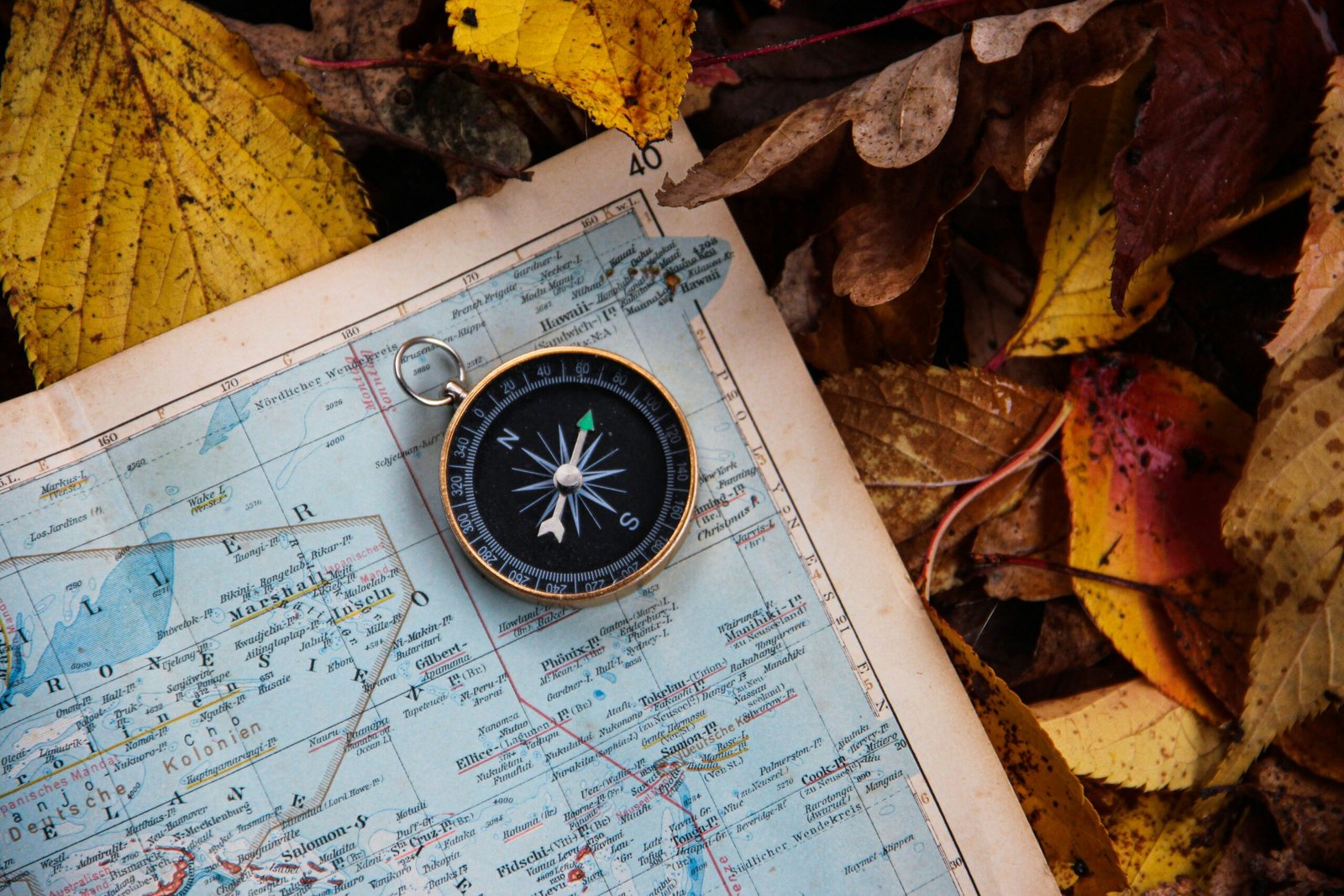
In our modern world of GPS devices and digital maps, the traditional skills of using a map and compass have become rather overlooked. However, for preppers, learning these skills is crucial as technology can fail or become unavailable in various scenarios, including natural disasters, power outages, or when exploring off-the-grid locations. Here’s a guide to help you master map and compass navigation.
- The Basics of a Map
A topographic map is a detailed representation of the physical features of a terrain. Key elements include:
– Contour Lines: These depict elevation and terrain shape. Closely spaced lines indicate steep terrain, while widely spaced lines suggest flat terrain.
– Scale: Understanding the scale before you begin is pivotal. It tells you the ratio of a unit on the map to the units on the ground, for example, 1:24,000.
– Legend: This explains the symbols used on the map, helping identify routes, water bodies, vegetation, and other key features.
- The Compass: A Xenophobic Savior
A compass is your steadfast guide in uncharted territories:
– Parts: It typically consists of a base plate, a rotating dial, a magnetic needle that always points to magnetic north, and an orienteering arrow.
– Setting a Bearing: Align the orienteering arrow with the desired direction on your map. Rotate the dial until the needle lines up, and follow that arrow in the field.
- Map Reading and Orientation
– Aligning the Map: Place your compass on the map, ensuring the orienteering arrow points to true north, then rotate the map until its north aligns with the compass needle.
– Determining Location: Use landmarks and features to triangulate your current position. By identifying two or more fixed points on the terrain, you can find your location on the map.
- Taking a Compass Bearing
– From Map to Field: To follow a course, place the compass edge along the desired route on the map, align north on the map with the compass needle, then follow the bearing.
– Overcoming Obstacles: When you encounter obstacles, maintain your bearing by detouring around and returning to your original track.
- Practice in Various Environments
Mastering these skills takes practice. Start in familiar areas and gradually move to more challenging terrains. This not only hones your ability but also builds confidence.
- Importance of Updating Knowledge
Always use the most recent maps, as landscapes change due to natural and human influences. Regularly review and practice your skills to stay prepared.
In conclusion, a map and compass are indispensable tools for any prepper. They offer reliable navigation without dependency on technology. By mastering these skills, you gain a critical edge in self-reliance and survival preparedness. Practicing these essentials will ensure you’re never lost, even when your devices run out of power. So, embrace the knowledge of our forebears and let your compass point you to safety and adventure.