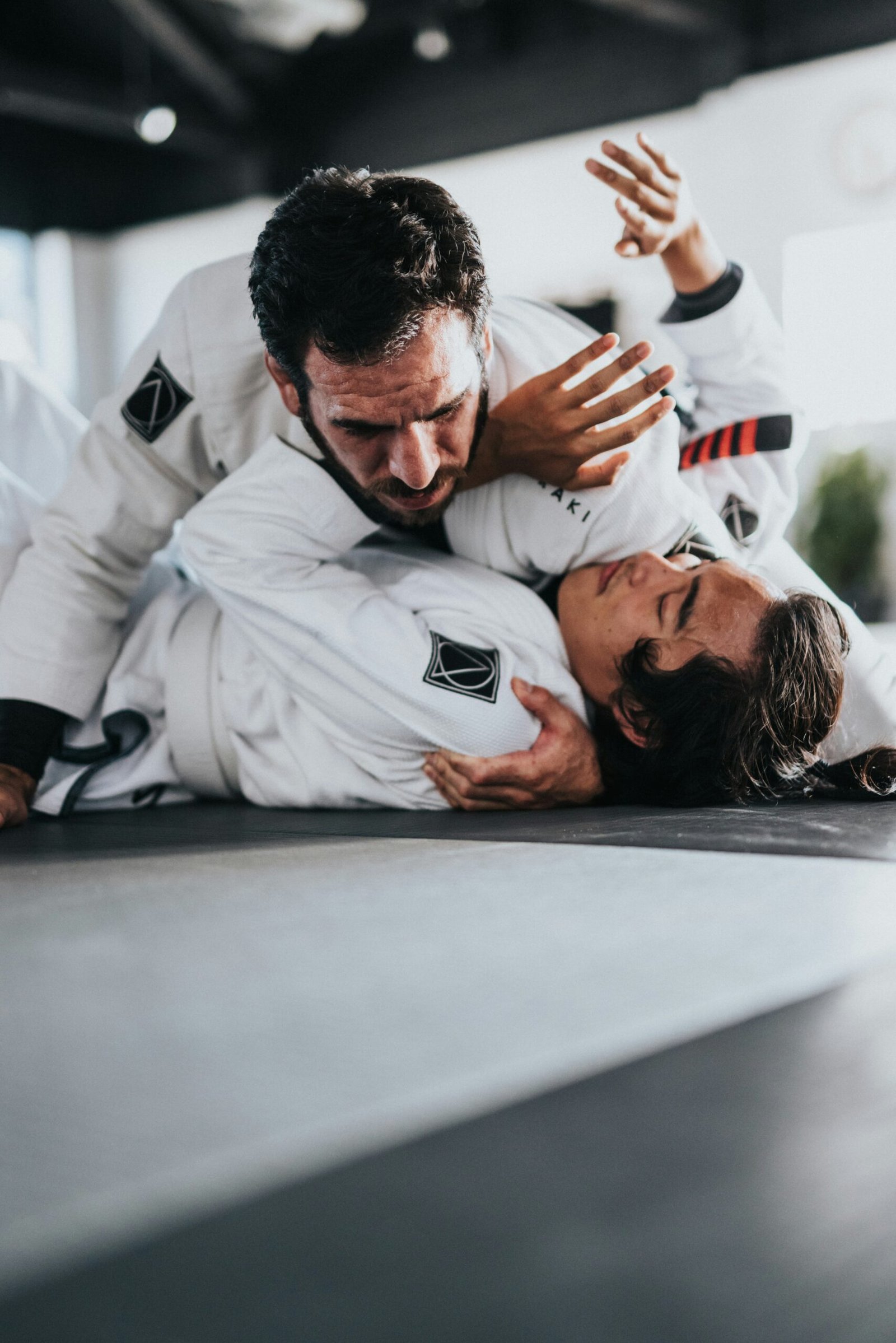
In a world where unforeseen circumstances can arise, being prepared is more than just stockpiling necessities; it’s also about self-preservation through practical self-defense techniques. As a prepper, mastering basic self-defense can make all the difference when facing a potential threat. Here’s a concise guide on foundational skills every prepper should know to guard themselves and their loved ones.
Understand the Basics: Mindset and Awareness
- Situational Awareness: The first line of defense is your awareness of surroundings. Stay alert to potential threats by observing people’s behavior, identifying exits, and trusting your intuition. Make it a habit to be attentive in both familiar and unfamiliar environments.
- De-escalation Skills: Sometimes, avoiding confrontation is the best defense. Learn verbal techniques and body language to de-escalate potentially volatile situations. Speaking calmly, maintaining non-aggressive body posture, and creating space can help prevent escalation.
Core Physical Techniques
- Proper Stance and Balance: Your stance serves as your foundation. Keep your feet shoulder-width apart, knees slightly bent, and arms up to protect your face. This position stabilizes you, making it easier to react or retreat.
- Strikes and Targets:
– Palm Strikes: Use the base of your palm to target sensitive areas like the nose or chin.
– Elbow Strikes: These are powerful at close range, aimed toward the throat or jaw.
– Kicks to the Groin: Simple yet effective for temporarily disabling an assailant.
- Escaping Holds:
– Wrist Grab Release: Rotate your wrist towards the weakest part of the grip, followed by a swift pull away.
– Bear Hug Escape: If grabbed from behind, drop your weight, step to one side, and use elbows to strike backward.
Use of Improvised Weapons
Utilize everyday items to your advantage:
– Keys: Hold them between your fingers for reinforcement during a punch.
– Pens: Use them as a makeshift weapon by targeting the eyes or throat.
– Umbrellas or Canes: Swing them to maintain distance or jab towards vulnerable spots.
Continued Learning and Practice
- Self-Defense Classes: Enroll in local martial arts or self-defense classes to gain firsthand experience and feedback.
- Regular Practice: Consistent practice of techniques will enhance muscle memory and confidence.
- Scenario Training: Set up realistic scenarios with friends to practice responses and improve reaction time.
Conclusion
Self-defense is an ever-evolving skill that requires an ongoing commitment to learning and preparedness. By integrating these basic techniques into your daily routines and staying alert, you’ll be better equipped to navigate and neutralize threats when they arise. Remember, the goal isn’t just to survive, but to thrive safely in any situation. Stay safe, stand strong, and keep prepping!