In any emergency situation, access to clean drinking water is crucial not only for survival but also for maintaining health. When safe water is not readily available, knowing how to purify your own can make a life-or-death difference. Let’s explore some effective methods to ensure your water is safe to drink during emergencies.
- Boiling
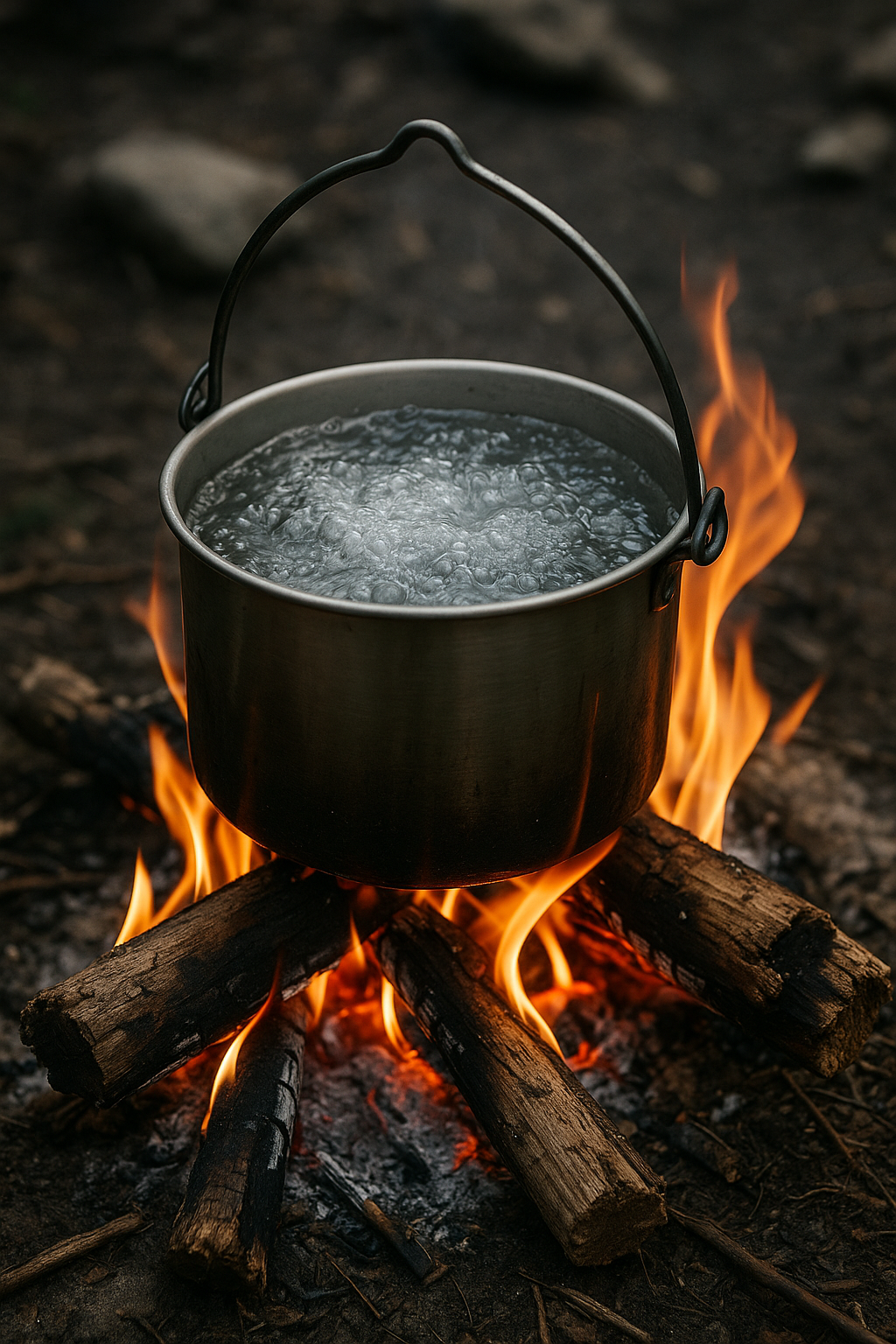
One of the simplest and most effective methods to purify water is by boiling it. By bringing water to a rolling boil for at least 1 minute (or 3 minutes if you are at altitudes above 6,500 feet or 2,000 meters), you can kill most pathogens, including bacteria, viruses, and parasites.
Advantages:
– No additional equipment needed beyond a heat source.
– Highly effective for most types of pathogens.
- Filtration
Using portable water filters can effectively remove bacteria, protozoa, and some viruses from water. There are various types like pump filters, straw filters, and gravity-fed systems available for different needs.
Steps:
– Choose a filter with a pore size of 0.2 microns or smaller.
– Follow the manufacturer’s instructions to ensure water is fully filtered.
Advantages:
– Quick and convenient.
– Filters can be reused until their capacity is reached.
- Chemical Treatment
Chemical tablets or drops, such as chlorine dioxide or iodine, can effectively disinfect water, making it safe to drink. Keep a supply of these in your emergency kit for quick water purification.
Steps:
– Add the recommended number of tablets or drops per liter of water.
– Allow the solution to sit for at least 30 minutes before consumption.
Advantages:
– Lightweight, easy to carry.
– Useful for treating large volumes of water.
- Solar Purification
If you find yourself without equipment, solar purification can be a useful method. This involves using the sun’s UV rays to disinfect water.
Steps:
– Fill clear plastic bottles with water.
– Leave them in direct sunlight for at least 6 hours (or up to 48 hours under cloudy conditions).
Advantages:
– Uses only sunlight.
– Ideal for areas with plentiful sun exposure.
- Distillation
Distillation can also purify water, particularly when chemical contamination is a concern. Though it requires more setup and time, it can produce clean, safe drinking water.
Steps:
– Boil water so that steam rises.
– Capture the steam, allowing it to condense back into water in a separate container.
Advantages:
– Removes pathogens and impurities effectively.
– Provides the cleanest water.
Conclusion
Understanding and applying these water purification methods in emergencies can ensure you have safe drinking water when you need it most. Keep these methods in mind, prepare your supplies, and secure your ability to tackle any water crisis with confidence. Remember, access to purified water is a foundation of survival during emergencies, so plan ahead and stay informed.