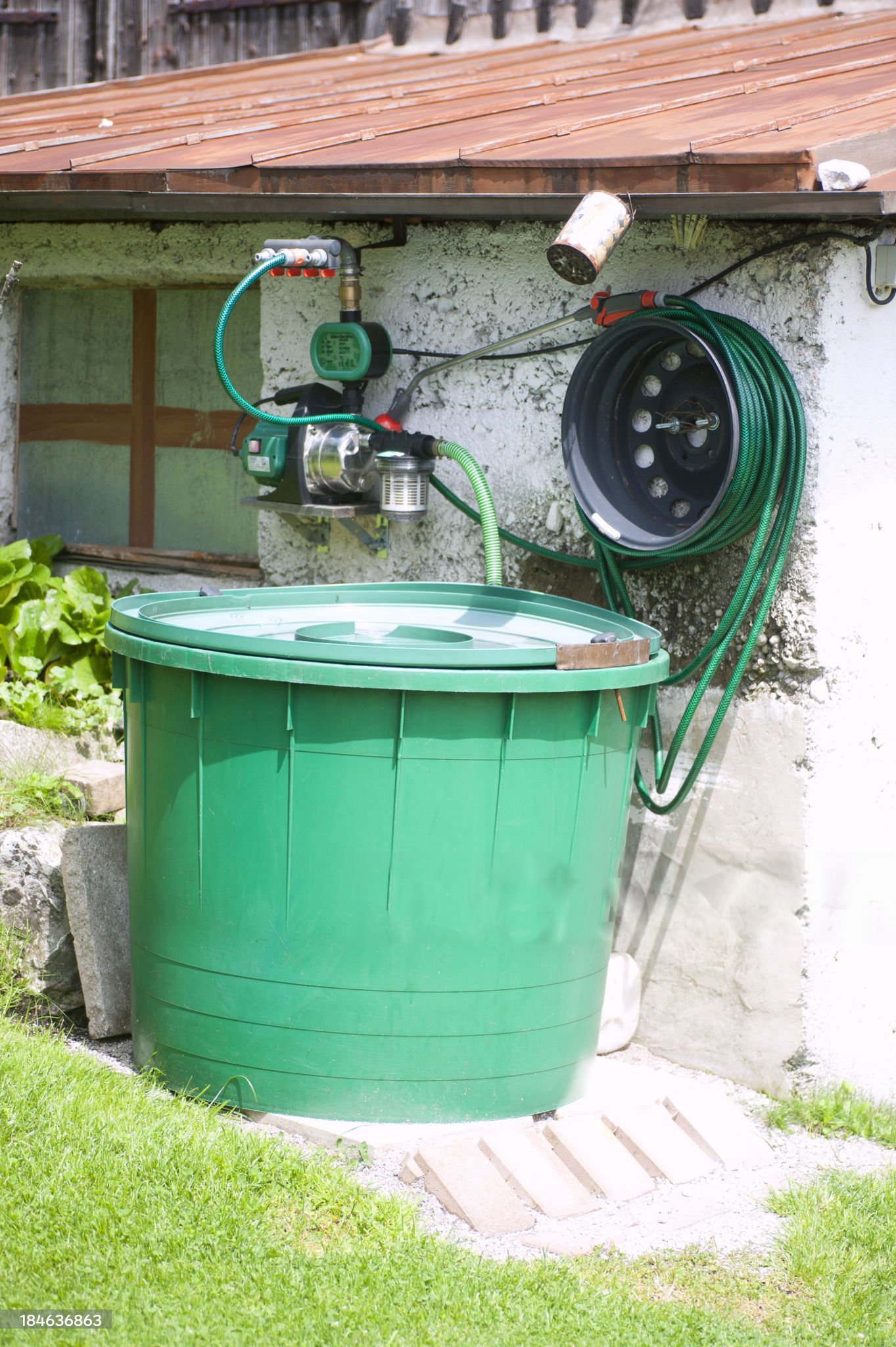
In today’s world, being prepared for unexpected situations is more crucial than ever. One essential aspect of preparedness is ensuring a reliable water source, particularly in areas prone to drought or water shortages. A rainwater collection system, or rainwater harvesting, is an effortless way to secure an additional water supply. Let’s explore how you can construct an efficient rainwater collection system tailored to your needs.
Materials You’ll Need
- Collection Surface: Ideally, a rooftop works best, but any sloped surface will suffice.
- Gutters and Downspouts: Direct the rainwater into your storage barrels.
- Storage Containers: Consider food-grade barrels or tanks, customizable according to your need and space.
- First Flush Diverter: Ensures initial contaminants from the roof are not collected.
- Mesh Filters: Fit these on gutters and pipe openings to prevent debris.
- Piping: Durable and sized appropriately for efficient water flow.
- Overflow Outlet: To prevent excess water from damaging your system.
- Optional Filtration System: Depending on intended water use, consider additional filters for cleanup.
Step-by-Step Construction
- Select the Site: Identify the collection point and storage area. Make sure it’s a stable, flat surface that can support the weight of the water-filled containers.
- Install Gutters: Ensure that your rooftop is equipped with gutters to channel rainwater. Clean existing gutters and fix any leaks or damage.
- Position Your Storage Tanks: Place barrels or tanks where they’ll collect the redirected rainwater. Check weightlimits; remember that water is heavy!
- Attach Downspouts: Redirect the gutter downspouts to ensure they lead directly into your storage tanks. Secure them well to avoid leaks.
- Implement First Flush Diverter: Add this to your downspouts. It removes the first flow of water, which is likely to contain dust and debris from the roof.
- Secure Mesh Filters: Install mesh filters at key entry points where water flows, preventing leaves and bugs from contaminating stored water.
- Add Overflow Outlet: To protect your system from overflow during heavy rains, install an overflow outlet directing excess water away from your foundation or storage area.
- Consider a Filtration System: If you plan to use the water for drinking or cooking, make sure it’s properly filtered and purified for safety.
Maintenance Tips
– Regular Cleaning: Check and clean your gutters, diverters, and filters regularly to avoid blockages.
– Inspect for Leaks: Frequently inspect the system for leaks or weaknesses; timely repairs are essential.
– Monitor Water Levels: Ensure there’s no standing water around tanks which may attract mosquitoes or pests.
Conclusion
A rainwater collection system is not only an excellent tool in a prepper’s arsenal but also a savvy environmental choice. With some materials, careful planning, and regular maintenance, you can establish a sustainable water source that enhances your preparedness and brings peace of mind. Its benefits to the environment and potential cost savings make this an all-around win! So, why wait? Get started on constructing your rainwater collection system today!