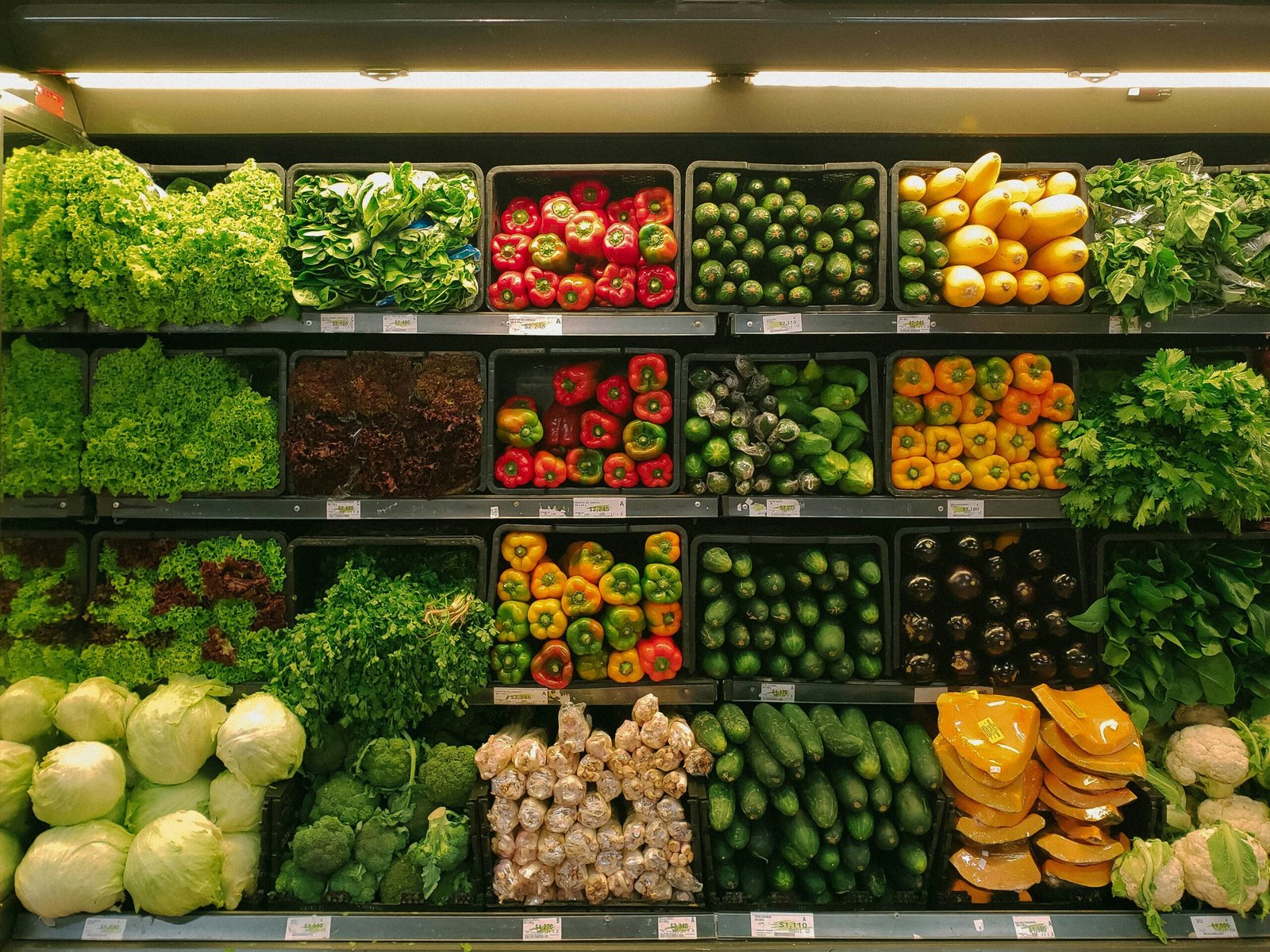
In a world filled with uncertainties, having a stash of nutrient-dense foods for long-term storage is not just wise; it’s essential. Whether preparing for emergencies, hiking, or striving for a minimalist lifestyle, understanding which foods can provide the most nutrition over time is crucial for maintaining health and well-being.
- Legumes: Beans, Lentils, and Chickpeas
Legumes are an excellent source of protein, fiber, and essential nutrients like iron and B vitamins. They are versatile, filling, and have a long shelf life when stored properly. Keep them in airtight containers away from moisture to maintain their quality for years.
- Whole Grains: Quinoa, Brown Rice, and Oats
Whole grains are nutrient powerhouses, rich in complex carbohydrates, fiber, and essential minerals. Quinoa is a complete protein source, while oats and brown rice provide sustained energy. Store grains in airtight containers in a cool, dark place to extend shelf life.
- Nuts and Seeds: Almonds, Chia, and Flaxseeds
Packed with healthy fats, protein, and essential nutrients, nuts and seeds are perfect for long-term storage. Vacuum-sealing or freezing can help preserve their freshness and nutritional content. They’re perfect for snacking or adding to meals for an extra nutritional boost.
- Dried Fruits: Raisins, Apricots, and Dates
Dried fruits retain most of their nutrients and are a good source of fiber, antioxidants, and natural sugar for energy. Choose options with no added sugar and store them in airtight containers to prevent moisture and spoilage.
- Canned Fish: Salmon, Tuna, and Sardines
Canned fish is an excellent source of omega-3 fatty acids, protein, and essential vitamins. Opt for fish packed in water or olive oil for a healthier choice. When stored properly, these can last for years, providing a reliable protein source in your emergency pantry.
- Powdered Milk Alternatives
While fresh dairy isn’t suitable for long-term storage, powdered milk and plant-based alternatives like almond or coconut milk powder offer essential nutrients like calcium and vitamin D.
- Dehydrated Vegetables and Soup Mixes
These provide an easy way to incorporate vegetables into your diet when fresh produce isn’t available. Look for mixes without added sodium or preservatives, and store them in sealed containers.
- Honey
Honey is a natural sweetener with antimicrobial properties, making it a functional food that never spoils. Use it in moderation to add sweetness while benefiting from its antioxidants.
Conclusion
Stocking nutrient-dense foods ensures not only survival but the ability to thrive in challenging situations. Focus on selecting items with long shelf lives, versatile uses, and essential nutrients to support overall health. By storing these foods correctly, you’ll be ready for any situation without compromising nutrition or flavor. Preparing wisely today secures a healthier tomorrow.